
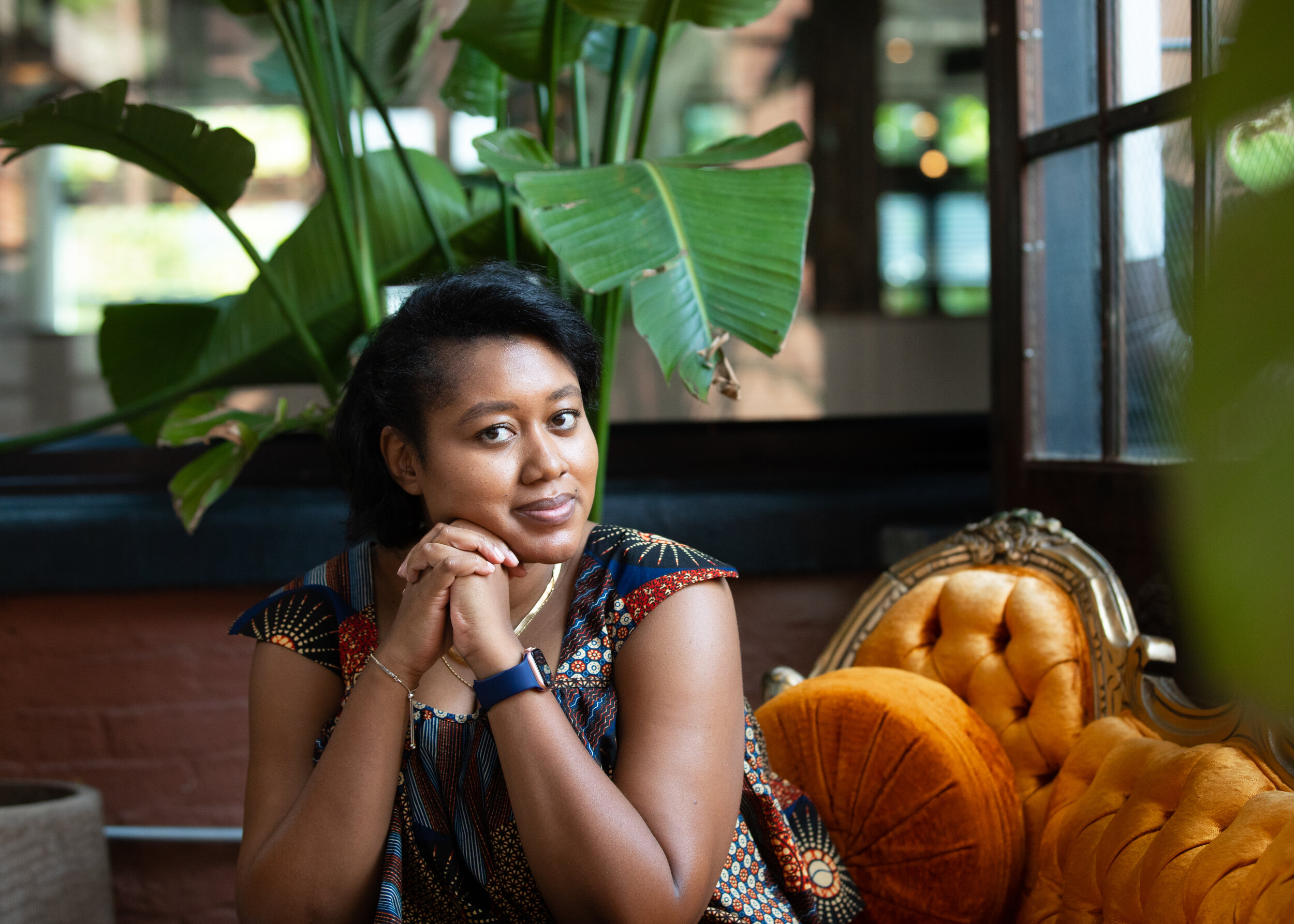
Science Communication That Bridges Innovation and Impact
I translate complex science — for the public, and for the organizations. building the future of it.
I’m a PhD scientist who became a communicator. Some of my work reaches general audiences: podcasts, films, and public speaking. Some of it works inside organizations as operations, programming, and strategic communication for biotechnology and medical innovation.
Looking for Something Specific?Science for All
I believe in science education for all. My efforts focus on broadening access to and persistence in STEM careers.
Much of my work targets populations historically underrepresented in the sciences. I liken my work to building a ramp - if it’s there, everyone can use it, both those who need it and people who may have otherwise taken the stairs.
Storytelling with Data and Research
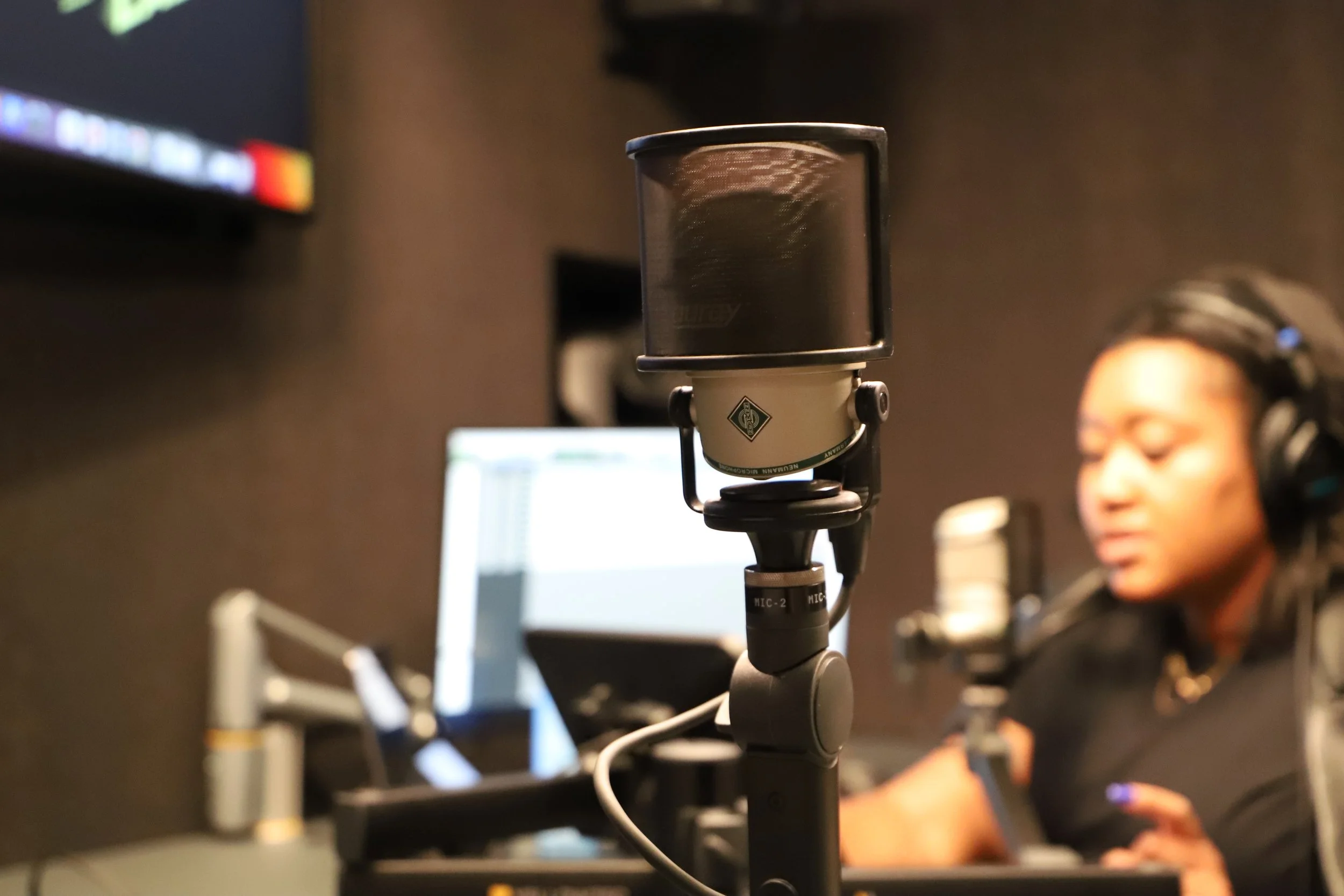
I'm a science communicator, entrepreneur, and storyteller with a PhD in Genetics & Genomics from Duke University. My work centers on finding compelling narratives within complex, interdisciplinary research—and making those stories accessible across mediums.
I specialize in:
Podcast production and hosting for scientific and medical audiences
Film and video storytelling that brings STEM to life
Science writing that balances accuracy with engagement
Workshop facilitation training scientists and students in communication
I use strategic storytelling and digital media to bridge the gap between science and society.
My work includes:
co-hosting the Webby-nominated Dope Labs podcast (praised by Michelle Obama),
hosting Breakthrough for Boston Children's Hospital (also Webby-nominated),
and producing content for Science Magazine and NASA
Current Projects
Podcast Production
Science Magazine - Freelance production
Dope Labs - Co-host & Executive Producer
Breakthrough - Host (Boston Children's Hospital)
STEM Access & Training
Remixed: The Unexpected Side of Science (NASA & MOS film)
SciComm Summer Camp - Communication training for students
What Excites Me
I'm drawn to stories about data-driven, cutting-edge research and technological innovation—whether that's AI transforming scientific discovery, clinical breakthroughs changing patient lives, or interdisciplinary work that's been years in the making finally reaching the people who need it.
The best stories have a clear human impact or angle. I'm especially interested in complex research that requires finding the thread that makes it accessible and compelling for broad audiences.
My Background
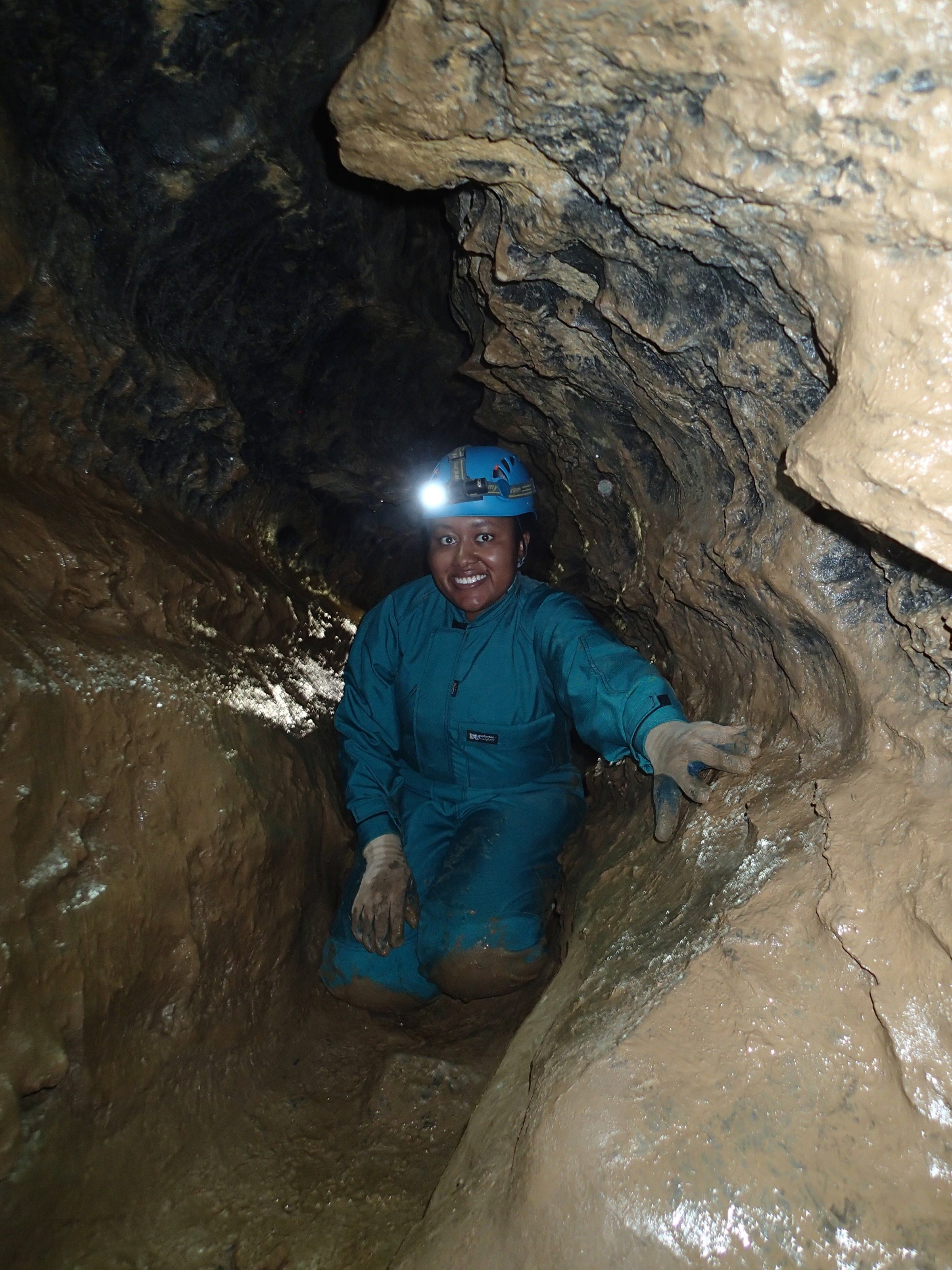
Education & Research
I earned my PhD in Genetics & Genomics and Cellular & Molecular Biology at Duke University, where my research focused on molecular biology and microbiology. That's where I built my research acumen — the iteration, the failure, the slow accumulation of evidence behind a single published finding. Prior to graduate school, I completed my BS in Biology at Hampton University.
Science Administration & Teaching
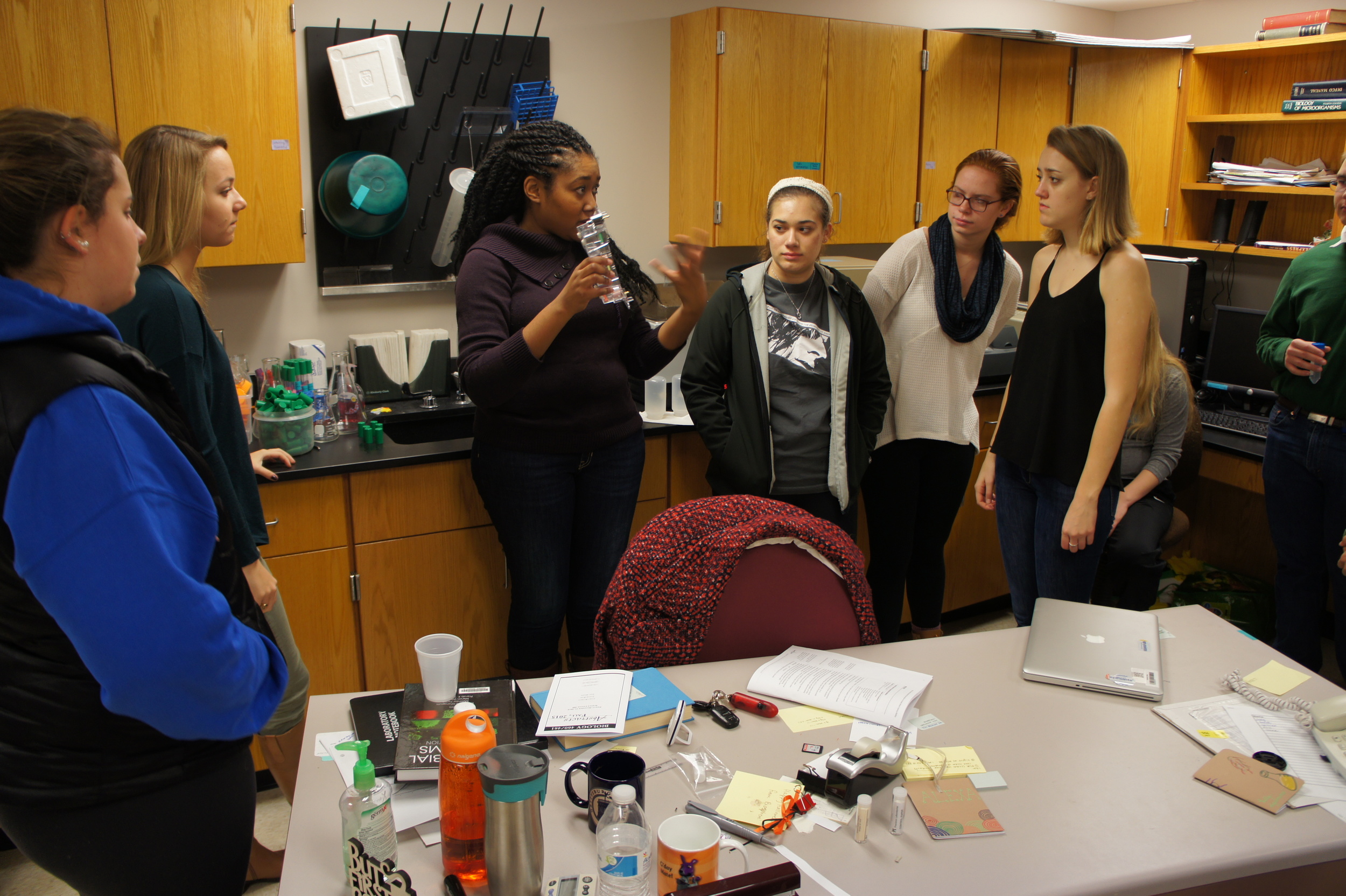
After my PhD, I moved into roles that put me on the other side of that process — managing large interdisciplinary graduate training programs and serving in faculty roles. Leading in a matrixed academic environment meant influencing without direct authority and building consensus across faculty, students, and institutional stakeholders with competing priorities. That work taught me how research organizations actually function, where communication breaks down between scientists and everyone who depends on their work, and how to translate technical expertise for people making decisions with it.
Current Work
Today I lead Upstream Solutions, where I handle operations, programming, and upstream marketing for biotechnology and medical innovation companies — the strategic and business-facing side of translating science. I also co-founded MegaOhm Media, where I produce science communication content for public audiences.
What Else I’m Up to







On the January 18th edition of Science Podcast, I spoke with Dr. Carmen Martin-Alonso about the work she and her colleagues presented in their paper “Priming agents transiently reduce the clearance of cell-free DNA to improve liquid biopsies.”
From my UMB talk: science communication today is less about final answers and more about inviting people into how we make them.